|
I've worked with organisations through countless restructures, and that's the silent question I've come to recognise.
It rarely gets asked out loud, but it changes everything.
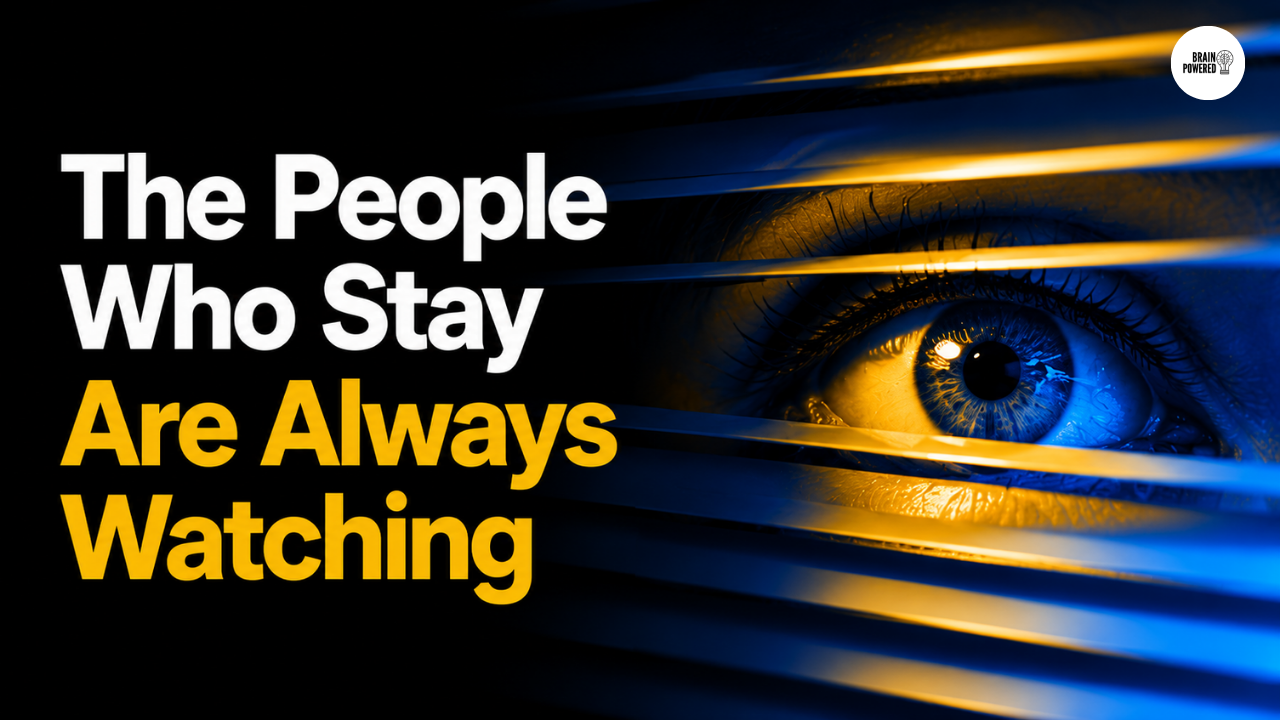
A senior leader is made redundant. The process is fair. The communication is thoughtful. Everything is handled professionally. Yet as the meeting ends, every member of the team is quietly asking themselves:
"If it happened to them... am I next?" 👀
We spend months preparing for the person who is leaving. Very little time preparing for the people who stay. And that's where I believe many organisations underestimate the true impact of redundancy.
The Brain Learns by Watching 🧠
One of the most fascinating things neuroscience has taught us is the power of social learning. Albert Bandura's pioneering work showed that we don't need to experience something ourselves to learn from it. We constantly observe other people and use those experiences to shape our own behaviour and expectations.
More recent neuroscience research has built on this, showing that our brains use observation to predict future outcomes, helping us prepare for situations before they happen (Olsson et al., 2020).
That's exactly what happens during redundancy. Employees notice how someone is treated, how leaders communicate, and whether the organisation genuinely lives its values. Their brain quietly stores those moments as evidence of what to expect if they're ever in the same position.
Every Exit Sends a Message 📢
Neuroscientists often describe the brain as a prediction machine. Rather than waiting for something to happen, it constantly updates its expectations based on new information. Research into observational learning suggests that simply watching another person's experience can influence our own future decisions (Burke et al., 2010).
A redundancy doesn't just affect one employee. It changes how everyone else thinks about trust, loyalty, and psychological safety. That's why you often see people:
- becoming quieter in meetings
- avoiding risk or speaking up
- updating their CV
- responding to recruiters they previously ignored
The redundancy affected one person.
The learning affected everyone.
The Ripple Effect 📊
Industry research consistently suggests organisations providing meaningful career transition support retain stronger engagement among remaining employees. Those that don't often experience higher voluntary turnover in the months that follow, as uncertainty quietly spreads through the business.
This isn't simply about supporting people who leave.
It's about protecting the confidence of the people who stay.
The Relationship Doesn't End 🔁
Former leaders don't disappear. They become clients, referrers, partners, competitors and sometimes even return.
I've seen organisations strengthen their reputation because someone left feeling respected. I've also seen years of goodwill disappear because one departure was handled poorly; how someone leaves often shapes who wants to work with you tomorrow.
So Who Owns Offboarding? 💬
Most organisations know exactly who owns onboarding.
Far fewer can answer the same question about offboarding, even though it influences engagement, retention, employer brand and future talent. If the leaving experience shapes so much of an organisation's future, perhaps it's time we stopped treating it as an administrative process and started treating it as a leadership strategy.
People rarely remember every word that was said. They remember what they learned by watching it happen. And that lesson often shapes whether they choose to stay, leave, or recommend your organisation long after the restructuring is over.
We work with HR and People leaders to ensure every exit strengthens trust with the people who stay. If this is something you're navigating, message me directly.
References 📚
- Bandura, A. (1977). Social Learning Theory. Prentice-Hall.
- Olsson, A., Knapska, E., & Lindström, B. (2020). The neural and computational systems of social learning. Nature Reviews Neuroscience, 21, 197-212.
- Burke, C. J., et al. (2010). Neural mechanisms of observational learning. Proceedings of the National Academy of Sciences, 107(32), 14431-14436.
|